Persistent post-COVID smell loss
Yan and colleagues ran a saline-controlled PRP trial and assessed olfactory function. The preparation was not exosmart™.
Read the study
APPLICATIONS / ENT & OTOLARYNGOLOGY
Published platelet-preparation research in smell disorders and ear surgery, with a guide to the endpoints that matter.
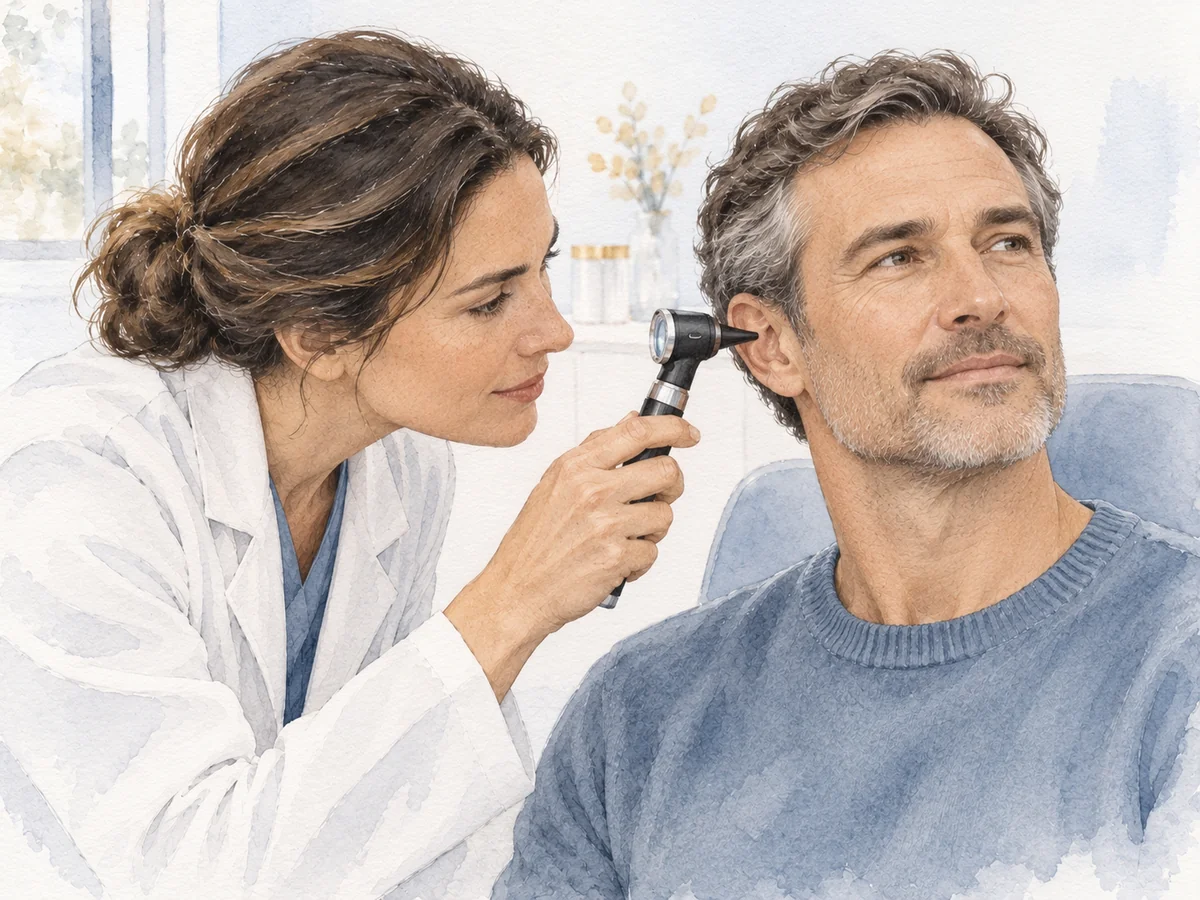
START HERE
A patient who cannot smell coffee, a patient with an eardrum perforation and a patient with a scarred vocal fold present three different clinical questions. The evidence is easiest to read when you start with the function that matters.
THE TISSUE & THE PREPARATION
Olfactory function depends on the sensory epithelium, eardrum repair requires closure of a thin membrane, and voice depends on the vibration of the vocal-fold cover. Platelet-related signals, vesicles and plasma proteins provide a reason to study tissue repair, but each site must be evaluated against its own functional outcome.
The biological rationale is shared across fields. The clinical question, preparation and measured outcomes are specific to each study.
CLINICAL FOCUS
An olfactory epithelium, a repaired tympanic membrane and a vocal fold are different tissues. The question is which function the study actually measured.
Measure threshold, discrimination and identification separately from how patients perceive their smell. Distorted smell and reduced smell are also different complaints.
Evidence and interpretation: In Yan’s saline-controlled study, the PRP group improved more on objective testing at three months; self-reported smell scores did not differ. It studied a separate PRP preparation.
Read the studyAn intact membrane or successful graft is an anatomical outcome. Audiometry assesses functional hearing and may tell a different story.
Evidence and interpretation: A randomised study assessed PRP and platelet-rich gel as adjuncts to tympanoplasty, with separate closure and hearing outcomes. The adjunct was not exosmart™.
Read the studyWhen voice is the concern, separate the patient’s voice handicap from stroboscopic findings such as mucosal wave and glottic closure. These diagnoses should not be grouped as one response.
Evidence and interpretation: The Academy topic is research interpretation, not a product-specific treatment indication.
Mucosal healing and symptom relief are separate questions. Report the operation, underlying diagnosis and usual care alongside any adjunct under study.
Evidence and interpretation: No result from the smell-loss or ear-surgery studies transfers directly to sinonasal wound recovery.
SELECTED REFERENCES
These studies evaluated other PRP preparations. They frame questions for this specialty; they are not exosmart™ treatment protocols.
Yan and colleagues ran a saline-controlled PRP trial and assessed olfactory function. The preparation was not exosmart™.
Read the studyThis randomised trial compared tympanoplasty alone with tympanoplasty plus autologous PRP and platelet-rich gel, reporting membrane closure and hearing.
Read the studyEXOSMART™ ACADEMY
The full handbook is not published here yet. Start with the clinical overview above or go directly to the published studies.